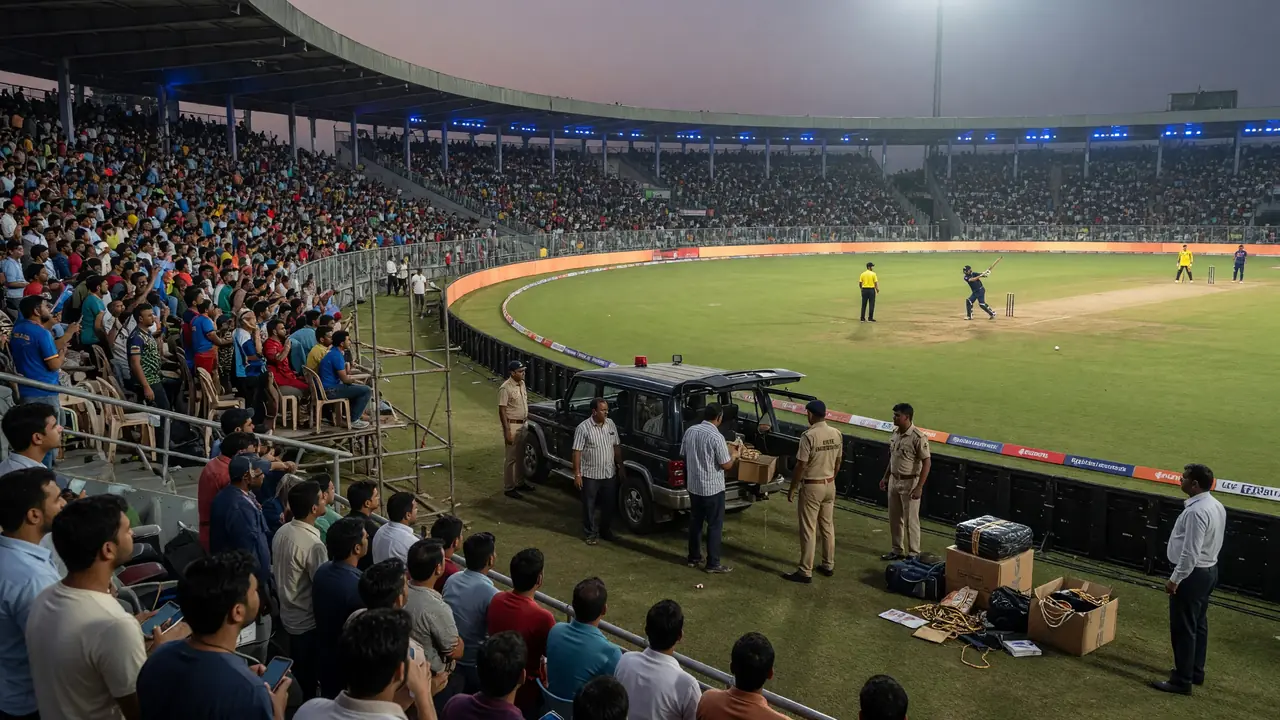
On 31 July 2026, the Enforcement Directorate’s Agartala Sub-Zonal Office issued a fresh Provisional Attachment Order covering movable and immovable assets worth about Rs 1.05 crore. The order sits under the Prevention of Money Laundering Act, 2002, and targets holdings that investigators say grew out of an organised illegal betting operation on IPL and other cricket matches in Tripura.
The latest freeze is not the opening chapter of the case. It is the second attachment order on record. An earlier order dated 16 March 2026 had already reached properties belonging to accused Prasenjit Paul and his mother. With the new tranche counted in, ED officers say total proceeds of crime attached in the matter now stand near Rs 2.43 crore, spanning cash recoveries, land parcels, residential holdings and bank balances. Further investigation continues.
What the 31 July order actually covers
According to the enforcement brief carried by India Today NE, the new attachment includes nine immovable properties and balances held in bank accounts. The assets are recorded in the names of Prasenjit Paul, alleged associate Laxman Paul, and members of their families. The geography of the freeze stretches beyond Tripura alone: investigators list agricultural and residential land in West Tripura alongside a property in Kolkata, West Bengal, that was allegedly purchased largely with cash.
Provisional attachment under PMLA is an interim step. It restrains transfer or disposal while the money-laundering probe runs and before a full adjudication hearing decides whether the freeze should be confirmed, modified or lifted. For the owners named on the title documents, the practical effect is immediate: the listed land, homes and bank balances cannot be freely sold, mortgaged or emptied while the order holds.
ED’s Agartala unit framed the order around the allegation that betting profits were converted into hard assets and account balances without a matching trail of legitimate income. That conversion theory is the heart of a PMLA case built on top of a local gambling FIR, rather than a free-standing sports-regulation action by a cricket board.
How a 2023 police raid became a multi-year money-laundering file
The federal money-laundering track rests on a local case. ED cites an FIR registered at Amtali Police Station in West Tripura under Indian Penal Code provisions and the Tripura Gambling Act, 1926. That police file supplies the scheduled offence that PMLA investigators need before they can treat subsequent asset movement as laundering of crime proceeds.
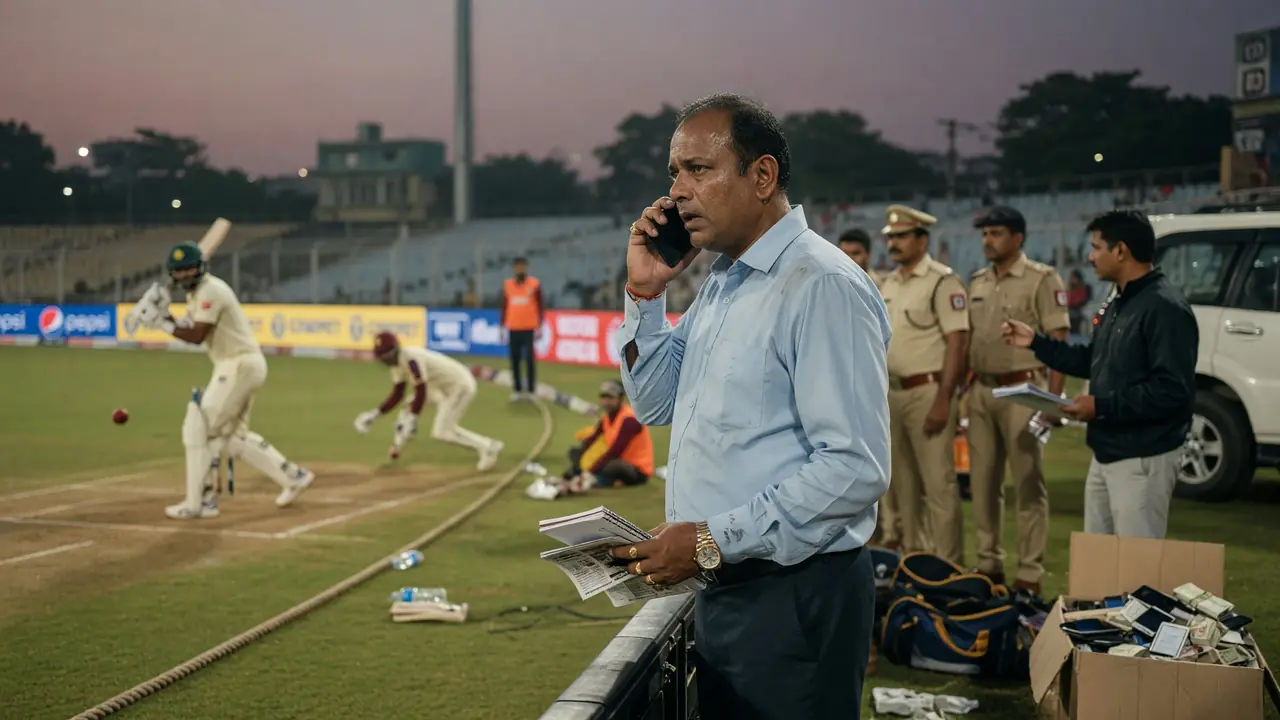
The most concrete field action on the police side remains the raid of 11 May 2023 at Prasenjit Paul’s residence. Officers recovered Rs 93 lakh in cash, a laptop, mobile phones, four debit cards and 17 notebooks that, police alleged, recorded betting transactions. Cash of that size, held at a private home rather than in a formal business cash-handling system, is the kind of recovery that typically pushes a gambling FIR up the ladder to financial-crime units.
Three years separate that raid from the second attachment order. The gap matters because money-laundering cases often spend long stretches on paper trails: matching notebook entries to account credits, tracing cash purchases of land, and checking whether family members held title as nominees or beneficial owners. The March and July 2026 attachment orders suggest investigators believe they now have enough documentary footing to restrain specific properties while that paper work continues.
Who investigators name in the alleged network
ED’s account places Prasenjit Paul at the centre of an organised illegal betting racket focused on IPL matches and other cricket contests. Investigators say he worked with his maternal uncle, Laxman Paul, and additional associates. The uncle’s alleged role, as described in the enforcement summary, covered both day-to-day betting operations and efforts to help the principal accused avoid arrest.
Banking and property records, ED says, also pull Laxman Paul’s wife, Jhuma Dey Paul, into the asset picture. Several bank accounts standing in their names showed large cash deposits, and multiple immovable properties were held without what investigators consider documented legitimate income to explain the outlay. In money-laundering drafting, that combination — cash-heavy deposits plus land buys without a clear salary or business trail — is often used to argue that the true source of funds was the underlying illegal trade.
None of those allegations has been tested to a final criminal conviction in the material reported so far. Attachment orders and FIR narratives are enforcement steps, not verdicts. Readers should treat named individuals as accused persons facing investigation, not as people already found guilty by a court.
Why IPL fixtures sit at the centre of the allegation
The Enforcement Directorate’s description is specific about the product being sold: bets on IPL matches and other cricket games. That focus is unsurprising. The Indian Premier League concentrates national attention into a short, high-scoring window every year. Match odds move quickly, and informal bookmakers historically chase that demand in states where regulated sports betting is not available through licensed channels.
For cricket followers preparing for the next season, the enforcement action is a reminder that the commercial noise around the league is not limited to official broadcast rights and franchise valuations. Parallel cash economies still form around popular fixtures. When those economies leave paper trails — notebooks, cash stacks, sudden land purchases — they can migrate from a local gambling FIR into a federal laundering file with multi-crore asset freezes.
Readers following team news, schedules and contest strategy for the coming season can keep the broader competition picture in view through IPL 2026 coverage, while treating illegal bookmaking as a separate, unlawful market that has no place in skill-based fantasy play.
Asset map: West Tripura land and a Kolkata purchase
The newly restrained portfolio mixes local and out-of-state holdings. Agricultural and residential parcels in West Tripura sit alongside a Kolkata property that, investigators allege, was bought largely with cash. Cash-heavy real-estate deals are a classic money-laundering concern because they can absorb large sums outside the banking system and then reappear as clean title documents years later.
Bank balances complete the freeze. Account freezes under a provisional attachment order stop withdrawals and transfers on the listed balances, preserving funds that ED wants available if a court later sustains the proceeds-of-crime claim. Combined with the nine immovable properties, the July order’s roughly Rs 1.05 crore valuation is therefore a blended figure: land market value plus liquid balances, not a single cash seizure.
Stacked on the March 2026 order against Prasenjit Paul and his mother, the cumulative Rs 2.43 crore figure shows how attachment totals grow in stages. Early orders often target the principal accused and the most obvious properties. Later orders expand to associates, spouses and secondary holdings once investigators finish matching ownership records to the alleged crime proceeds.
What provisional attachment does — and does not — decide
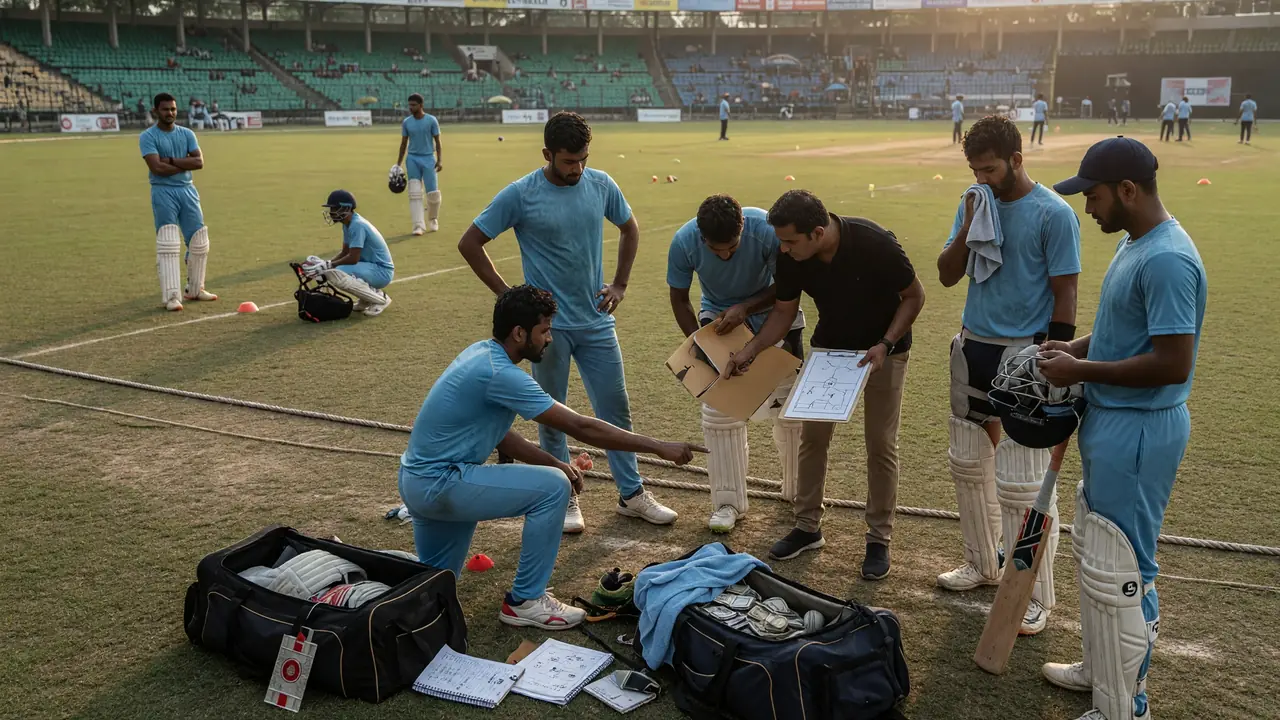
Under PMLA practice, a Provisional Attachment Order is an emergency brake, not the final word. It is designed to stop assets from disappearing while the Directorate prepares a prosecution complaint and while an adjudicating authority examines whether the freeze should continue. Owners can contest the order, produce income evidence, and seek release of specific properties if they can show a lawful source of funds.
That procedural reality is important for public reading of the Tripura case. The July order freezes named assets and raises the attached total to about Rs 2.43 crore. It does not, by itself, complete a criminal trial on the betting allegations, nor does it automatically confiscate the properties forever. Confiscation, if it comes, follows later stages of the PMLA process after adjudication and any appeals.
ED’s own closing line in the reported brief is that further investigation is underway. In practical terms, that usually means more account analysis, more property title checks, and possible questioning of additional associates whose names appear in the notebooks recovered in 2023 or in the banking trail built since then.
Timeline of the enforcement track so far
The public chronology now has four clear markers. First, the Amtali Police Station FIR under IPC sections and the Tripura Gambling Act, 1926, which anchors the scheduled offence. Second, the 11 May 2023 residential raid that recovered Rs 93 lakh cash, devices, debit cards and 17 notebooks. Third, the 16 March 2026 Provisional Attachment Order against properties of Prasenjit Paul and his mother. Fourth, the 31 July 2026 order adding about Rs 1.05 crore in assets tied to Paul, Laxman Paul and family members, including West Tripura land, a Kolkata property and bank balances.
Read in sequence, the file looks less like a single dramatic raid and more like a long conversion of a local gambling case into a structured proceeds-of-crime inventory. That pattern is familiar in Indian financial-crime work: police secure the predicate offence and physical evidence; ED later maps the money into attachable assets.
For cricket audiences, the dates also place the latest freeze in the long off-season run-up to the next IPL cycle. Integrity stories rarely stay confined to match days. They surface whenever investigators finish a tranche of paperwork and choose to lock assets before the next hearing window.
What fantasy and cricket fans should take from the case
Come Sports covers IPL news for people who follow squads, schedules and skill-based fantasy contests. Illegal bookmaking sits outside that world. It is prohibited under state gambling laws such as the Tripura statute cited in the Amtali FIR, and the cash networks that support it can trigger money-laundering exposure when profits are parked in land and bank accounts.
The practical distinction is simple. A fantasy contest scores players on real on-field events inside a platform’s published rules. An illegal betting book takes wagers on match outcomes through unlicensed channels, often in cash, and leaves the kind of notebook-and-currency trail described in the 2023 raid. Mixing the two in conversation only confuses readers; the law treats them differently, and so should anyone building a contest team.
If you play fantasy cricket, stick to verified apps, official downloads and published contest terms. Treat enforcement stories like this one as integrity context around the league, not as colour for tip sheets or as a reason to chase informal odds.
What comes next in the Tripura file
The immediate next markers to watch are procedural rather than sporting. ED still has an open investigation, which can expand the list of attached assets or add names if fresh bank and property links appear. The Provisional Attachment Orders will move through adjudication, where the Directorate must defend the freeze and the affected owners can answer with income records. Parallel to that, the underlying Amtali Police Station case continues to supply the scheduled-offence foundation for the laundering theory.
On the asset side, the combination of West Tripura holdings and the Kolkata purchase will likely draw closer scrutiny of sale deeds, cash payment claims and the timing of deposits that funded those buys. On the personal side, the alleged roles of Laxman Paul and Jhuma Dey Paul mean family-held titles and joint accounts remain part of the map, not merely side notes to the principal accused.
Until a court issues final findings, the verified public record stops at the enforcement actions already taken: the 2023 cash and notebook recovery, the March 2026 attachment, the 31 July 2026 attachment of about Rs 1.05 crore, and the cumulative proceeds figure of roughly Rs 2.43 crore. Those are the facts available today. Everything beyond them remains inside an active probe.
Source attribution: Facts in this report are drawn from India Today NE’s 1 August 2026 account of the Enforcement Directorate’s Agartala Sub-Zonal Office action in the Tripura IPL and cricket betting money-laundering case, including the 31 July 2026 Provisional Attachment Order details and the earlier investigative chronology cited there.
Frequently asked questions
How much did ED attach in the latest Tripura order?
What is the total attached so far in the case?
Who are the main names in the ED brief?
What did police recover in 2023?
Which law is ED using?
More from the Come Sports cricket desk
Match previews, app updates and fantasy impact notes continue across the Come Sports news desk as the cricket calendar develops.